128
Planned Communities – 8: Crafting Communities Through Urban Space
The most successful communities are not defined by buildings alone, but by the spaces between them – the places where people gather, meet unexpectedly, celebrate, converse, and connect.
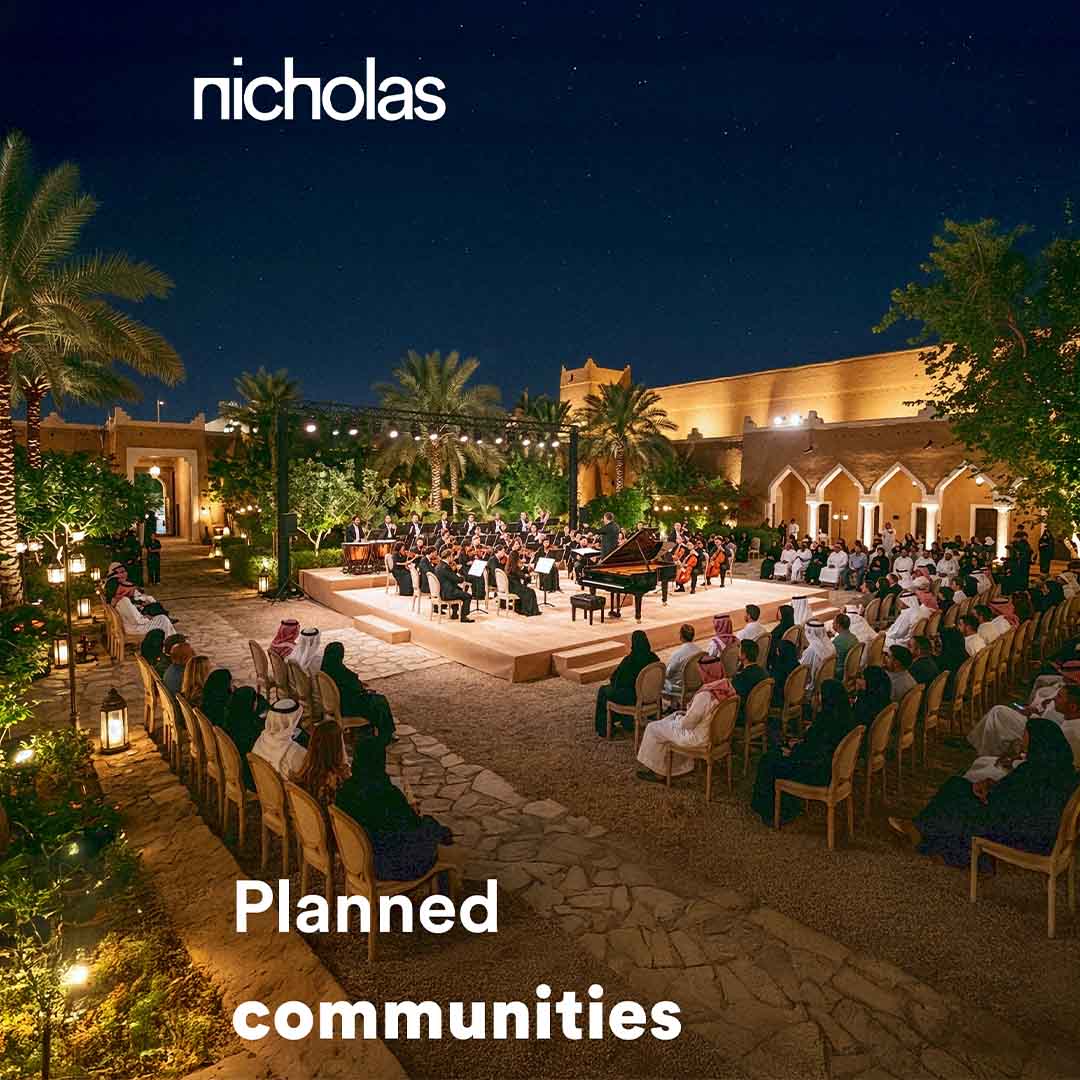
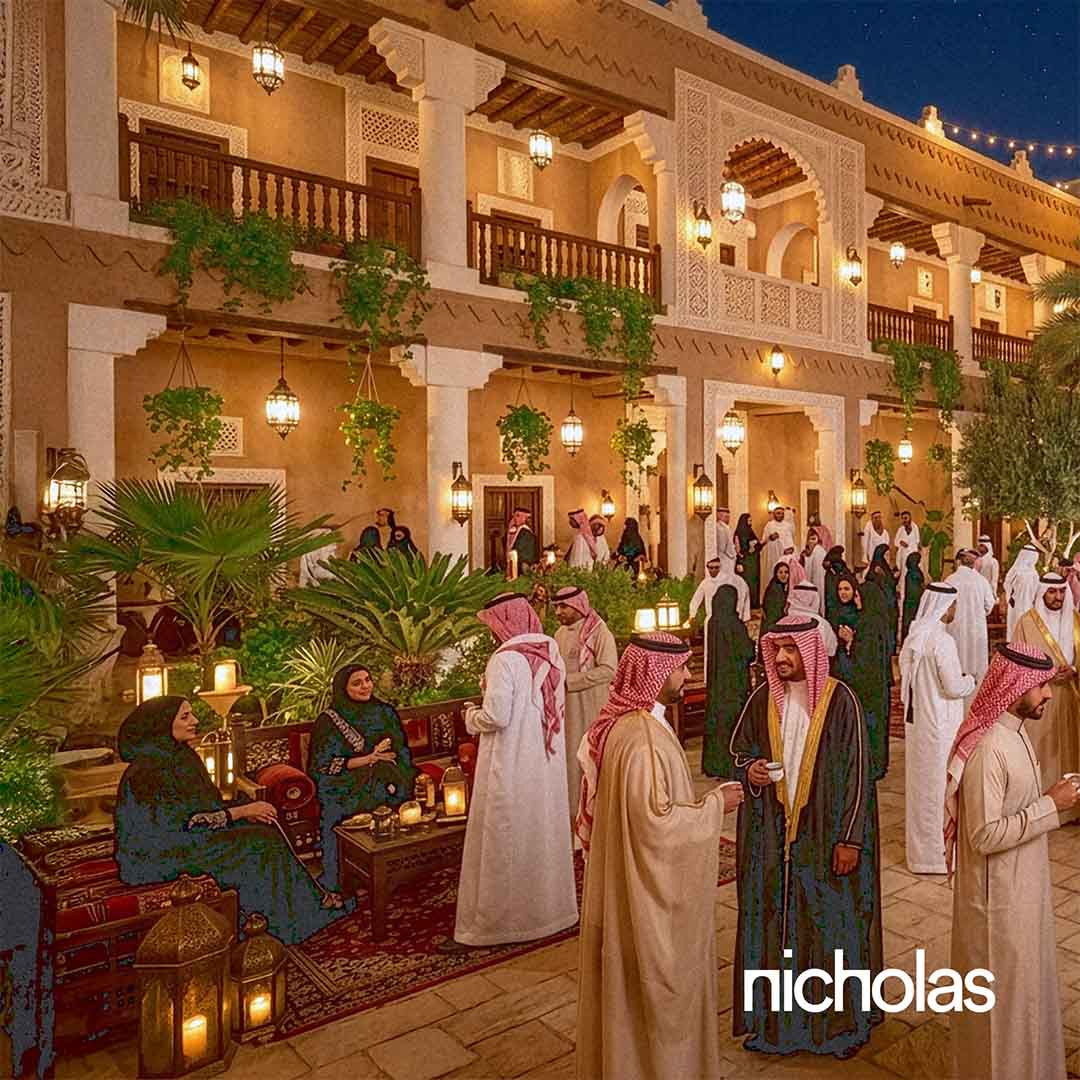
In the Middle East, and particularly within the traditions of Najdi architecture, courtyards have long played this role. Shaped by climate, culture, and patterns of social life, they provide shaded, human-scaled environments that support everything from informal daily encounters to soirees, performances, concerts, and community events.
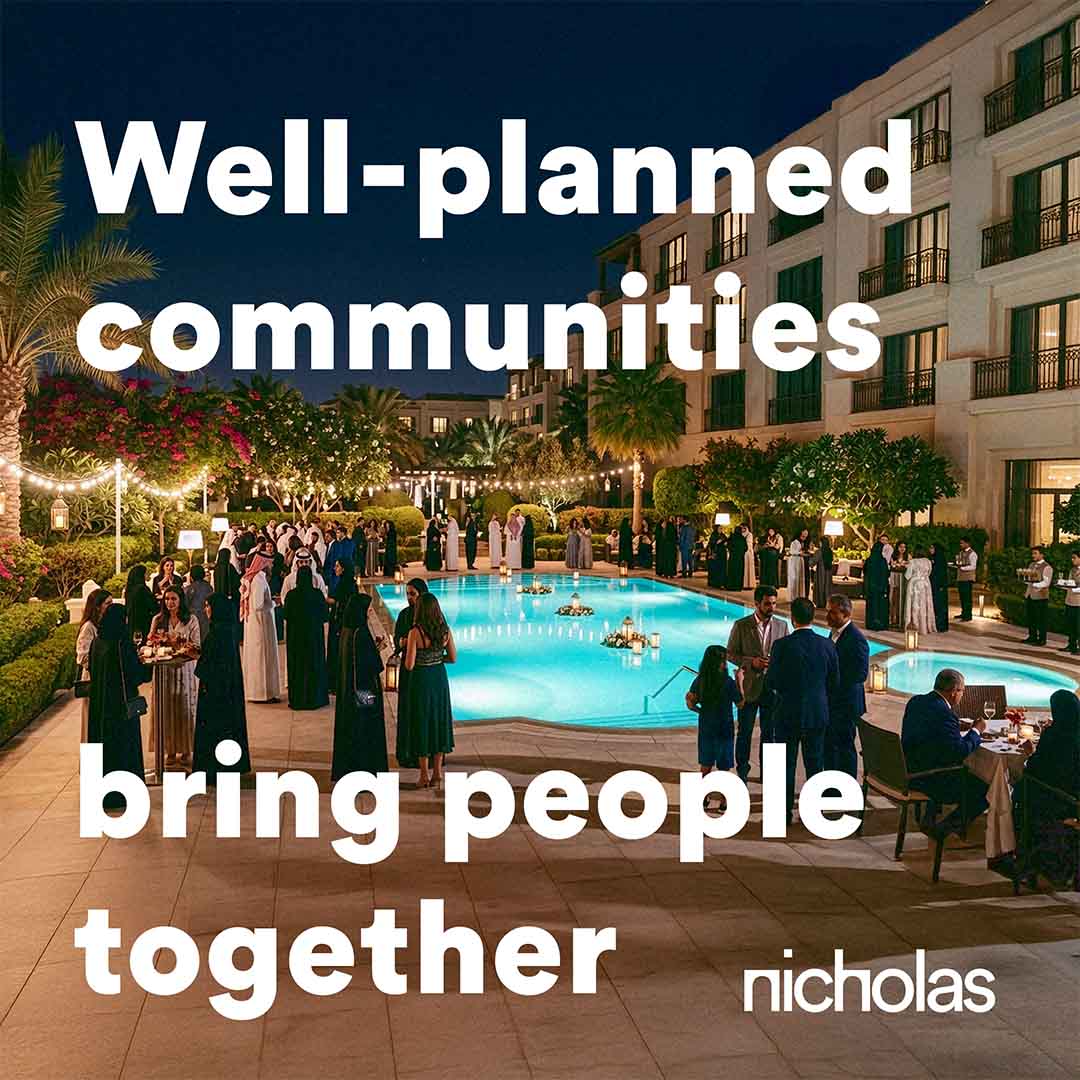
Well-planned urban design creates opportunity for interaction – both intentional and spontaneous. Vibrant communities emerge when people can walk comfortably, linger naturally, and feel connected to their surroundings and to one another.
Imagine if these spaces were woven directly into daily life – accessible within minutes on foot, rather than destinations reached only by car. Communities become stronger when social interaction is embedded into the neighbourhood itself, allowing residents to encounter one another naturally as part of everyday routines.
At the heart of every great neighbourhood are civic spaces that are culturally grounded, climatically responsive, and genuinely designed for people. Architecture alone cannot create community, but thoughtful urbanism can create the conditions for it to thrive.