90
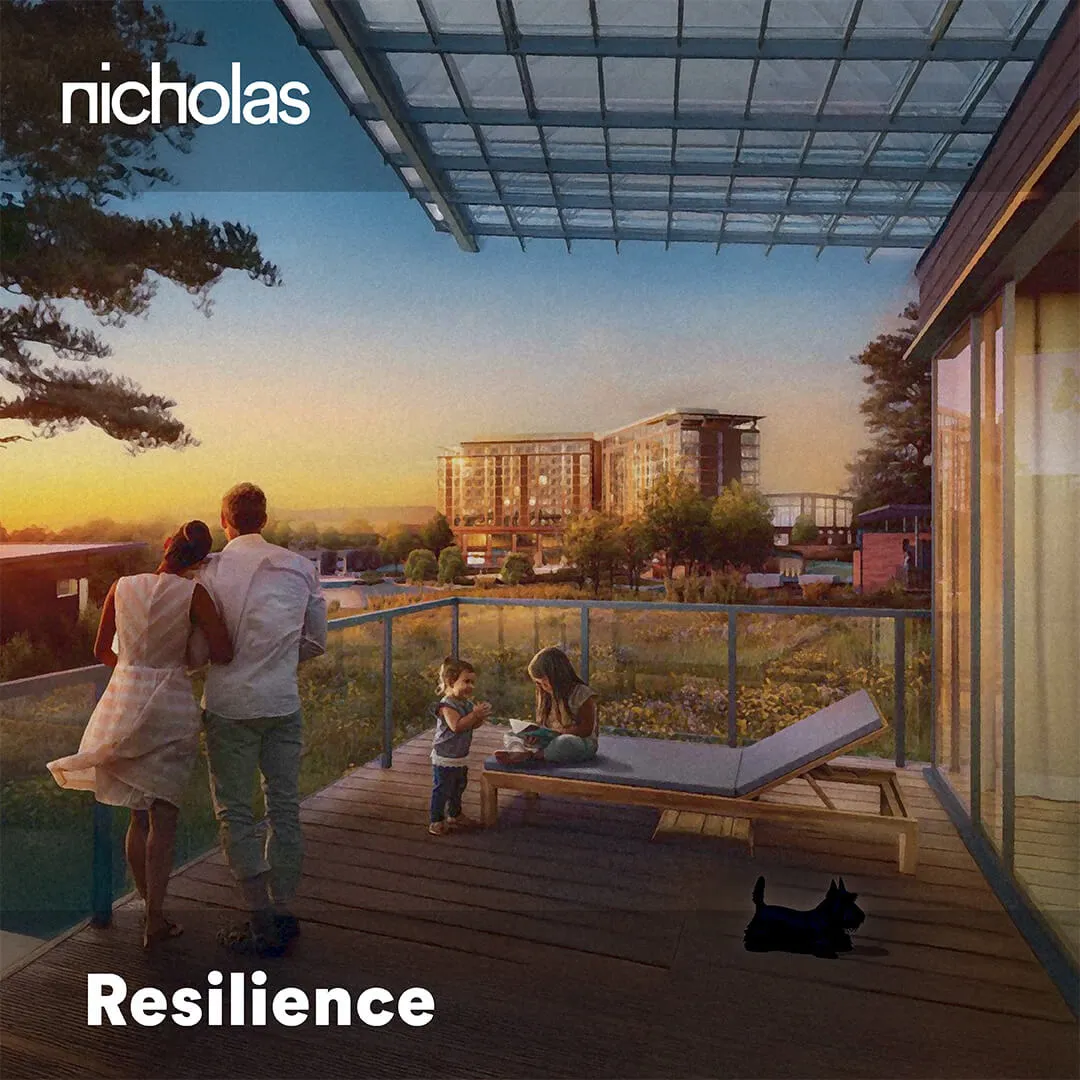
Resilience
What does “resilience” in the property sector look like in 2026?
It will likely be characterised by adaptation towards economic shifts such as stabilising and downward trending interest rates, macro-level changes brought about by technological evolution, and ESG (Environmental, Social and Governance) demands.
Geopolitical uncertainty in the Middle East continues and management of structural costs (“affordability”) remains critically important.
Development which focuses on mission critical and social assets, such as industrial buildings which support new technologies, and housing in the right locations and at the correct price points, will be well received.
Development which is fully integrated – socially, environmentally and economically – will fare much better than real estate which “goes it alone”. In urban design terms this means that projects should not just be well connected internally but should also be connected to one another – strengthening the public realm.
Neighbourhoods, precincts and quarters which are legible, walkable and organised around mixed-use will see an upswing in demand-driven economic activity. Developments which include mission critical assets will propel themselves to the front.
Hospitality elements should be thoughtfully integrated rather than stand-alone – both to add value and to reduce risk.
Schools should be treated as essential assets and placed centrally within planned communities rather than relegating them to commutable satellites at the urban periphery.
Real estate which is socially and environmentally focused, flexible towards new technologies, properly integrated into the urban fabric and delivered at prices anticipated by the market will enjoy the most obvious success.