
123
Planned Communities – 6
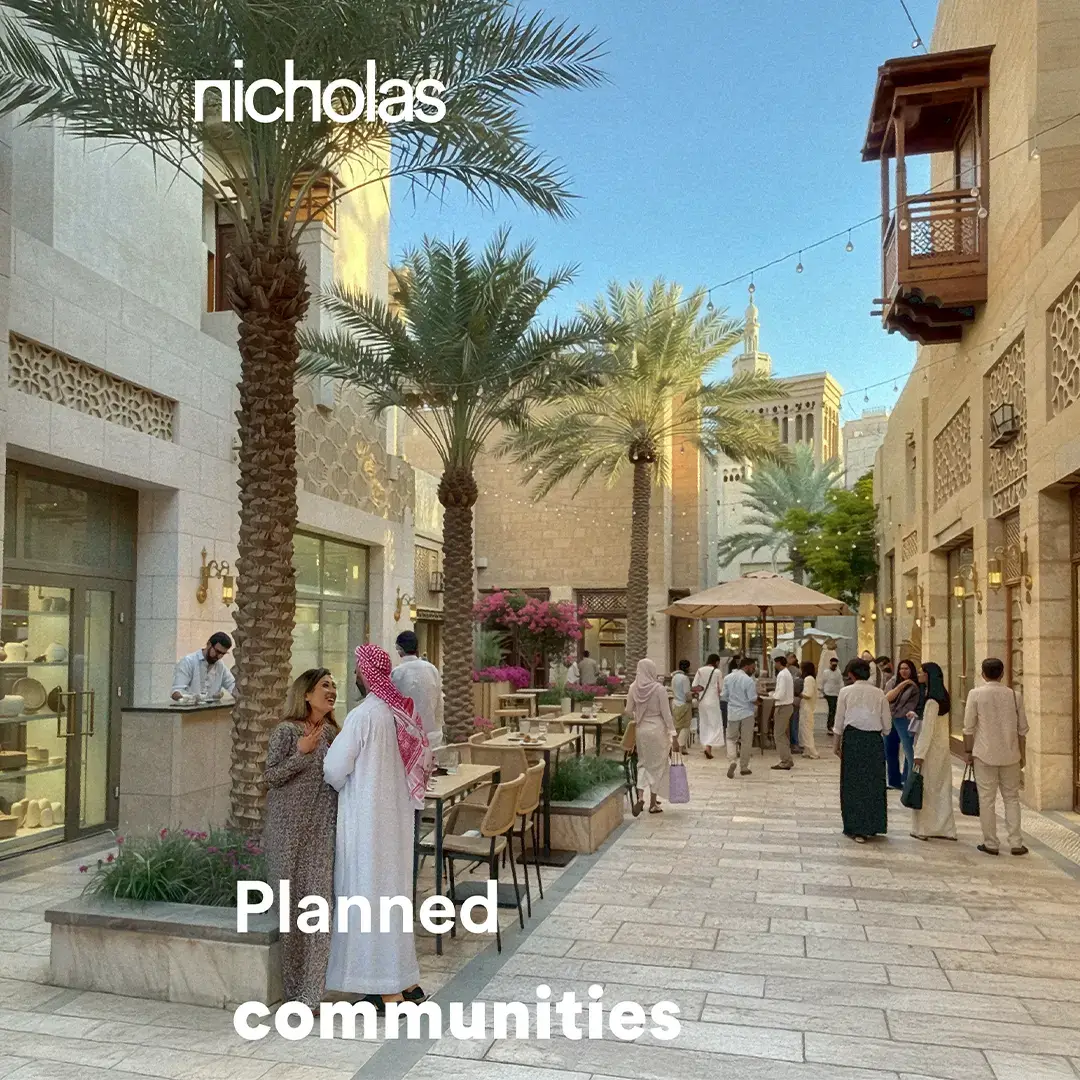
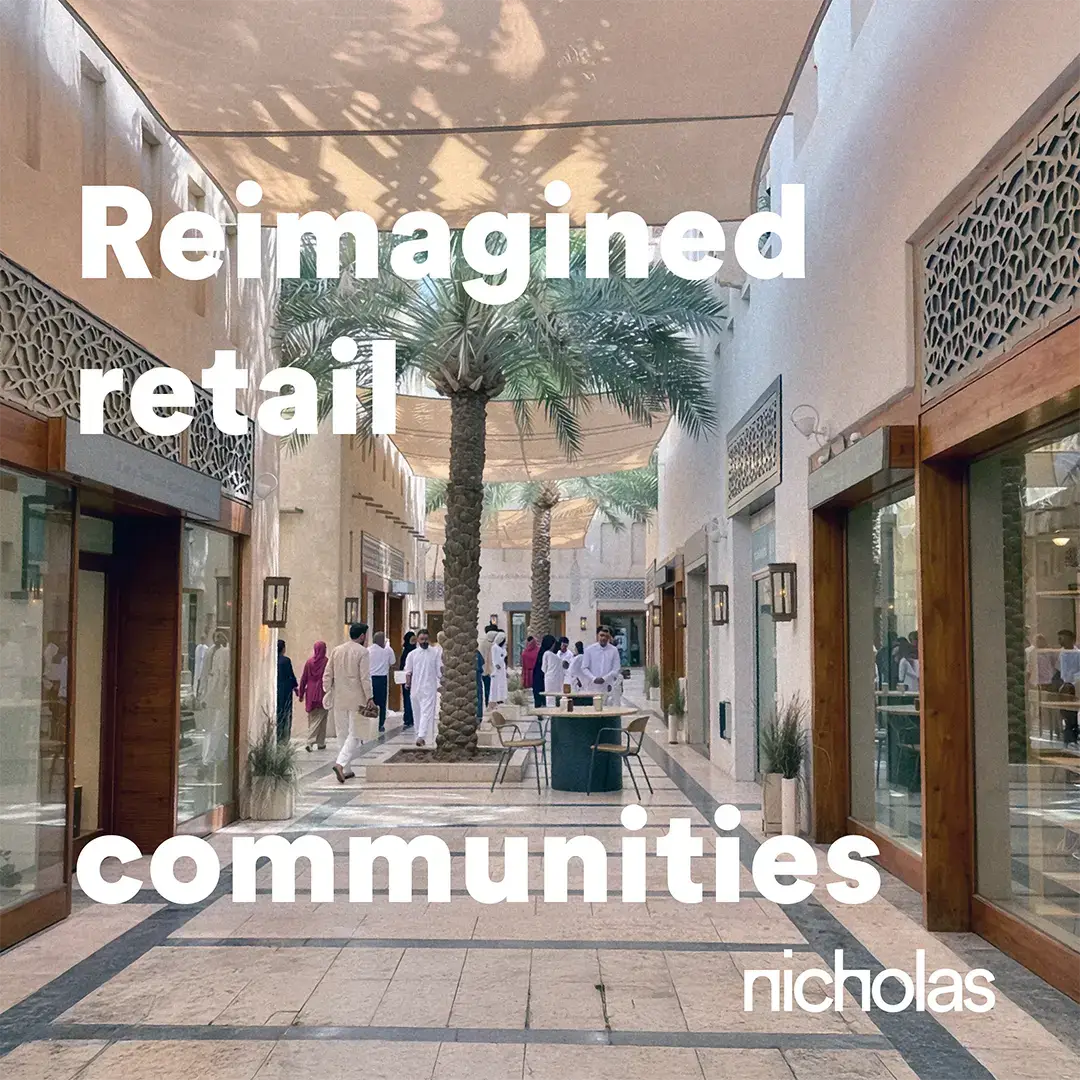
The souk was the original Arabian urban organiser: a shaded network of encounter with most urban functions in proximity. It defined how communities lived and interacted for centuries.
Our “big Jeddah idea” returns to this logic. A 7-minute model built on pedestrianised laneways, shaded courtyards, and layered daily life. Cars removed from the core. Walkability restored. The Hijazi tradition translated into a contemporary framework without losing its cultural weight.
The numbers matter. Compact, mixed-use neighbourhoods reduce infrastructure costs, increase land value, and support social cohesion in ways that sprawl never can. The past, when properly understood and reinterpreted, becomes our most powerful design instrument for the future.
We are exploring an alternative urban model for Jeddah – one that reinterprets the traditional Hijazi souk as the foundation for contemporary community planning.
The concept is based on a network of pedestrianised laneways and shaded courtyards, lined with retail, cafés, and everyday amenities. By removing cars from the core and prioritising walkability, the proposal creates a more human-scaled public realm that supports social interaction and daily life.
At its core is a fully integrated, mixed-use approach. Residential, commercial, and workplace functions are brought into proximity, forming cohesive neighbourhoods where essential needs are accessible within minutes.
In response to Jeddah’s climate, the conventional 15-minute city is reimagined as a more compact 7-minute model – denser, shaded, and designed for comfort throughout the day.
This is more than a project. It’s a strategic proposition – a “big idea” that draws on Hijazi urban principles to inform a more sustainable, culturally grounded, and liveable future for the city.