117
Planned Communities – 3
Cities have always carried the traces of those who came them before us. Today, in an era of rapid urbanisation, a return to the local language of architecture becomes a conscious choice. Spaces which are rooted in climate, material, and tradition give people a sense of continuity and order.
Contemporary planning works best where it does not erase the past but proceeds from it. In the Middle East, compact buildings, shade, and a procession of streets and courtyards create an environment which develops outdoor urban life.
A well-designed neighbourhood does not shout about itself through form. It promotes and fosters relationships. How much of this approach are we willing to bring into our current planned communities?
And what makes a community properly belong to its place?
In the Middle East, the most successful master plans are those that respond directly to their cultural and environmental context – embedding local architectural language into the fabric of contemporary development.
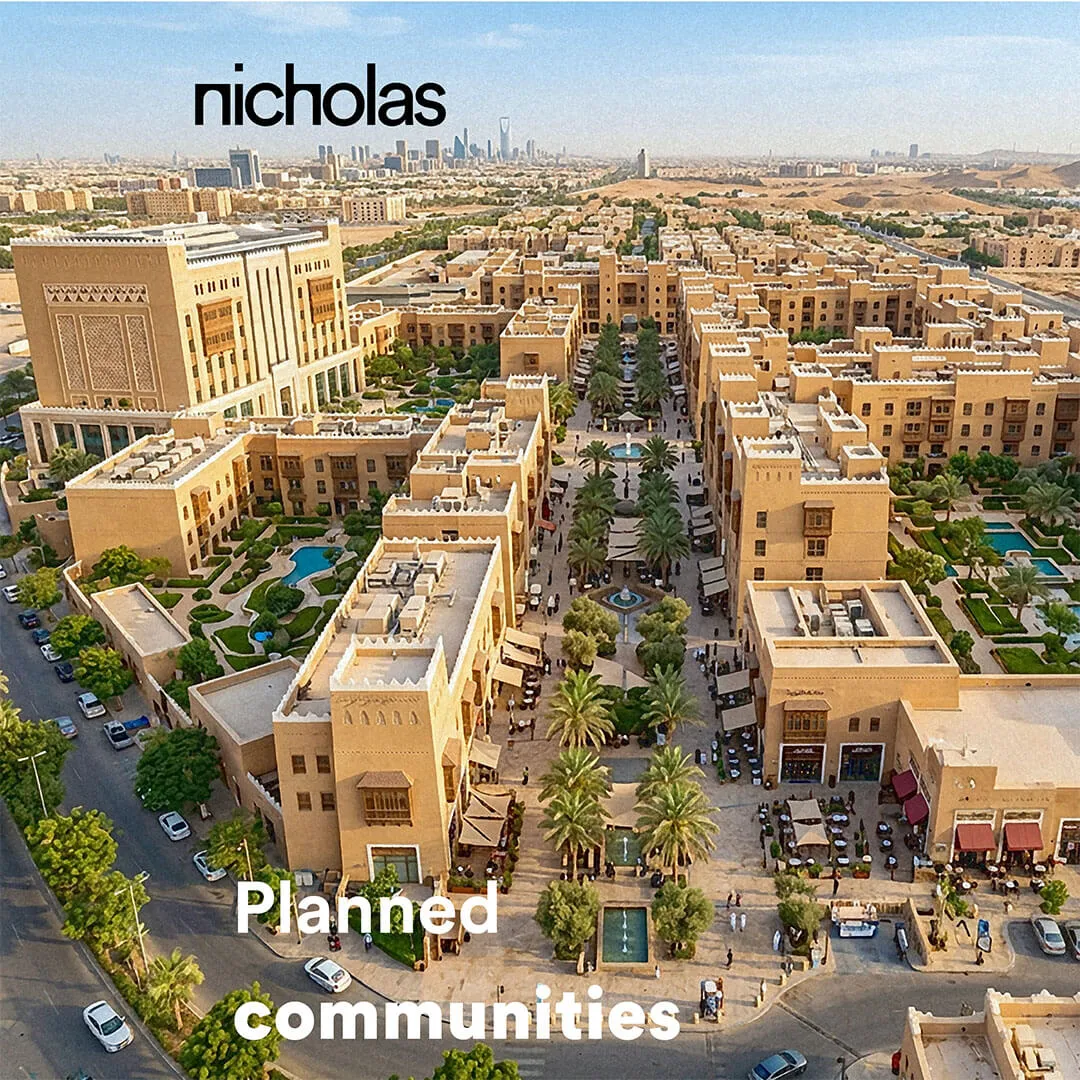
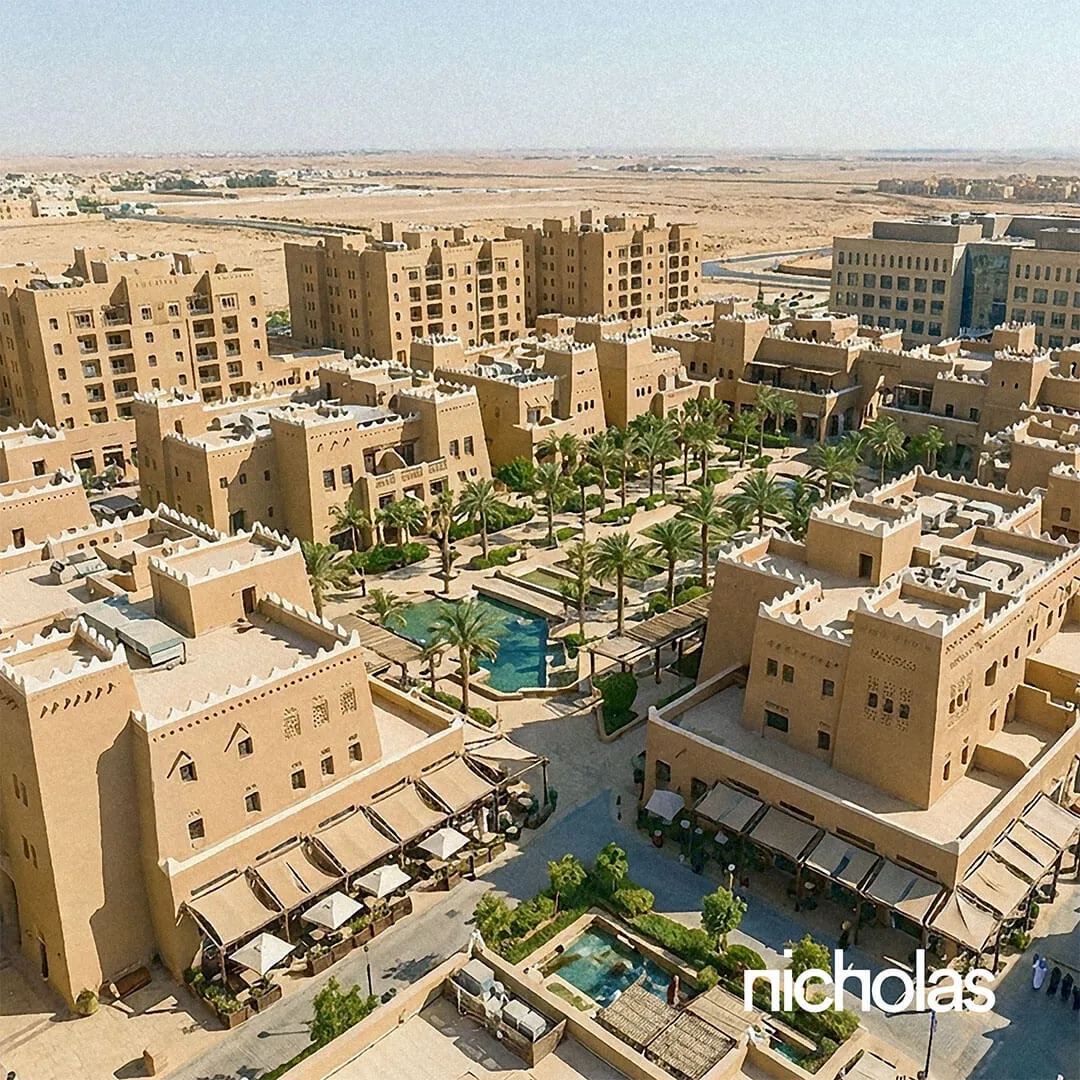
In Riyadh, this approach is exemplified through the reinterpretation of Najdi architecture. Traditional elements such as courtyard planning, compact urban grain, materiality and passive shading strategies are carefully adapted to meet the needs of modern living and working.
This is not about replication – it is about evolution. By grounding design in heritage while embracing future demands, master plans can create distinctive, people-focused environments with a strong sense of identity.
As cities across the region continue to grow, context-driven design will remain essential in shaping resilient, meaningful and commercially successful communities.