112
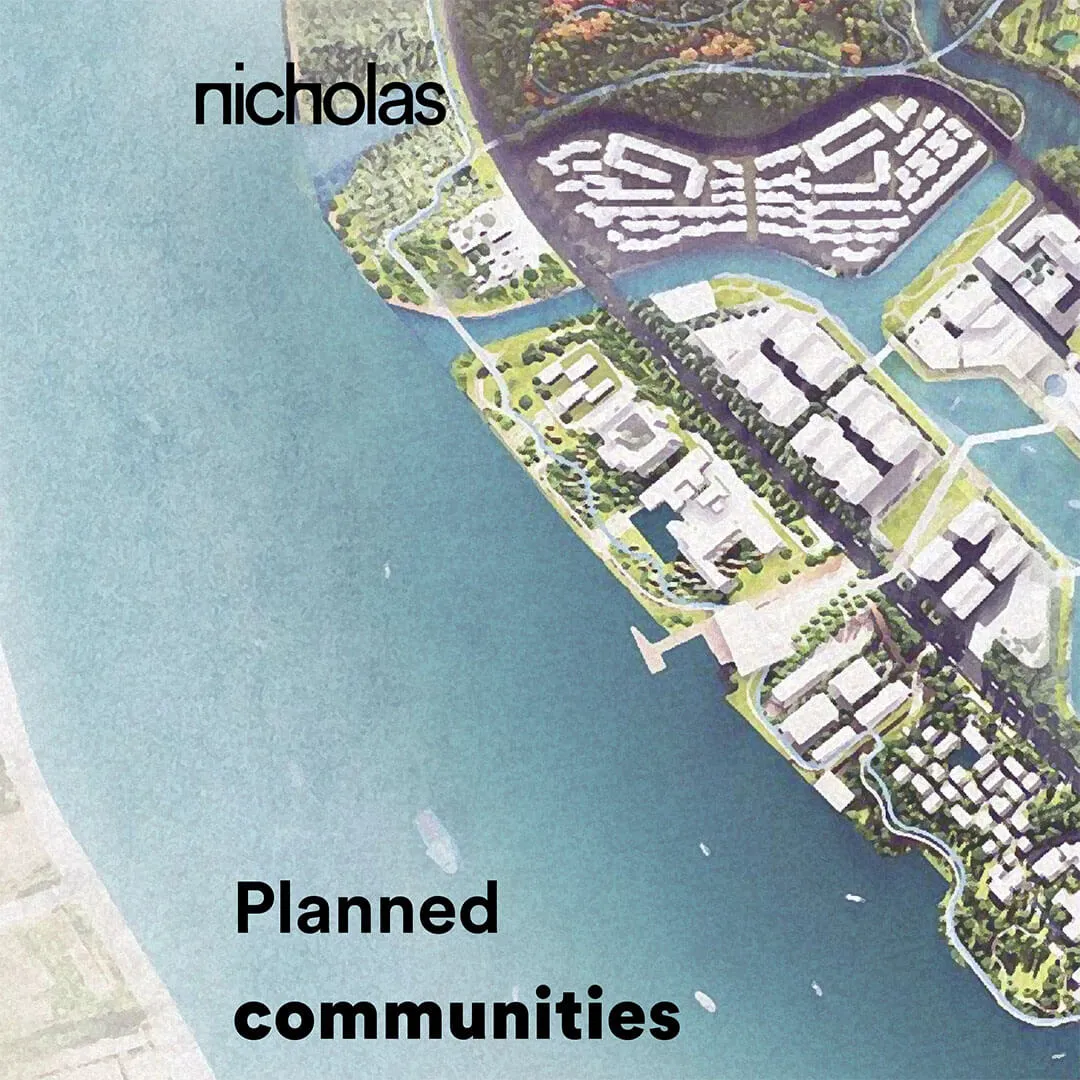
Planned Communities – 1
We build cities from concrete and steel, yet we inhabit them with our emotions. Urban planning is a science. One can calculate functions, distance to the park, the number of schools. However, what makes a person want to return home? – no spreadsheet can measure that.
The best planned neighbourhoods possess a fourth dimension. Beyond space and function lies the character of a place, which is in some ways intangible. Ingrained character is what the built environment says about us – who we are, and perhaps also who we want to be.
While town planning is ostensibly science-based, placemaking is an art form which cuts across many disciplines and, when successful, resonates deeply.
In a world of multiplying choices, successful planned communities are the ones in which people strongly desire to live.
Quantifiable pull factors include the measurable – employment, leisure, amenities. But the intangible pulls are the ones which really count – what built environments say to us, and what they say about us.
Shaping such environments is an artform. It requires humility, an understanding of history, sensitivity to the human scale, and the courage to design with future generations in mind while still reflecting on the places which have shaped us.
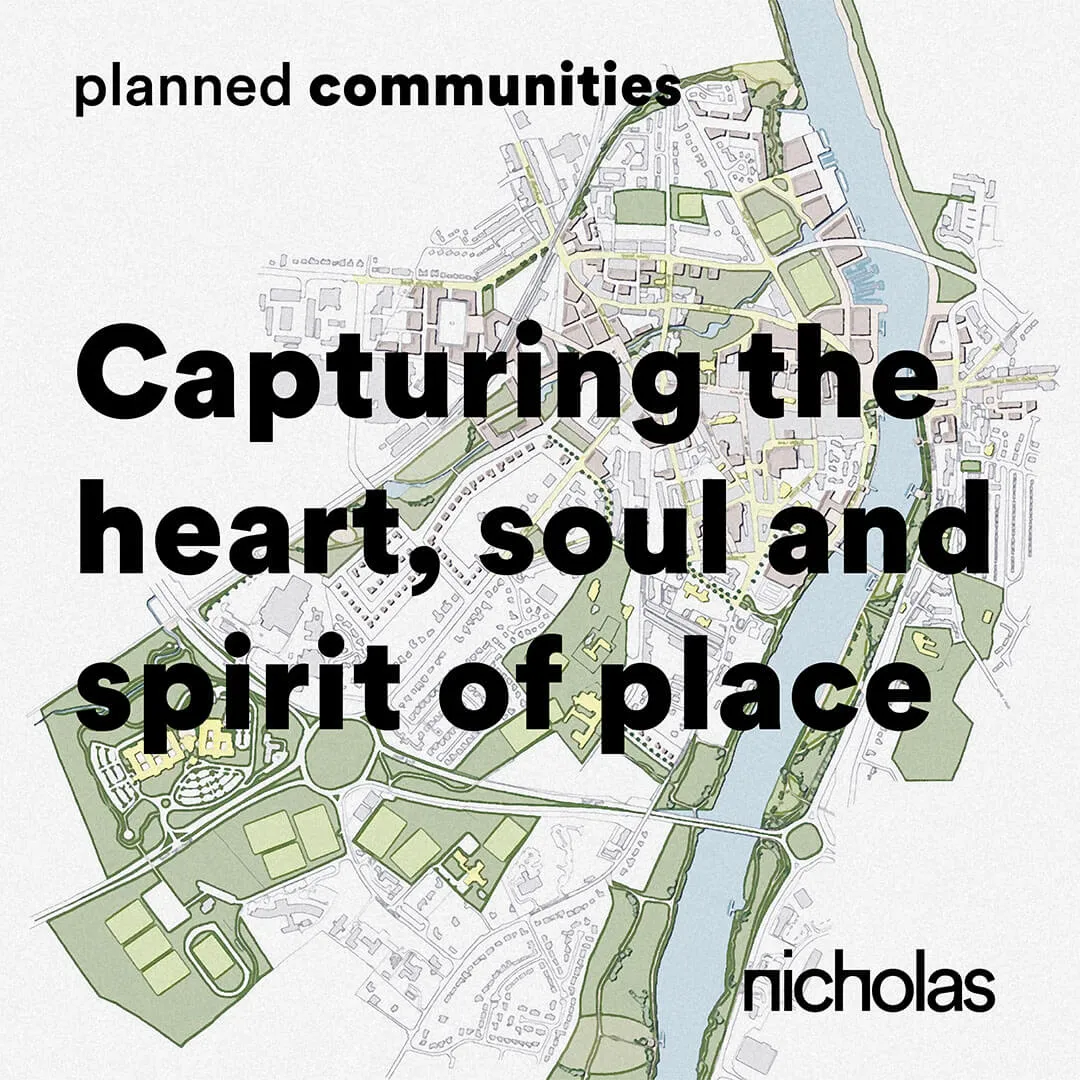
Successful planned communities go beyond the visible to capture the heart, soul and spirit of a particular place.