88
Integrated Development – 1
Integration is more than a design philosophy.
It is the key to urban success – socially, environmentally and economically.
When work, life, and leisure coexist within the same fabric, community becomes a matter not an afterthought left to chance.
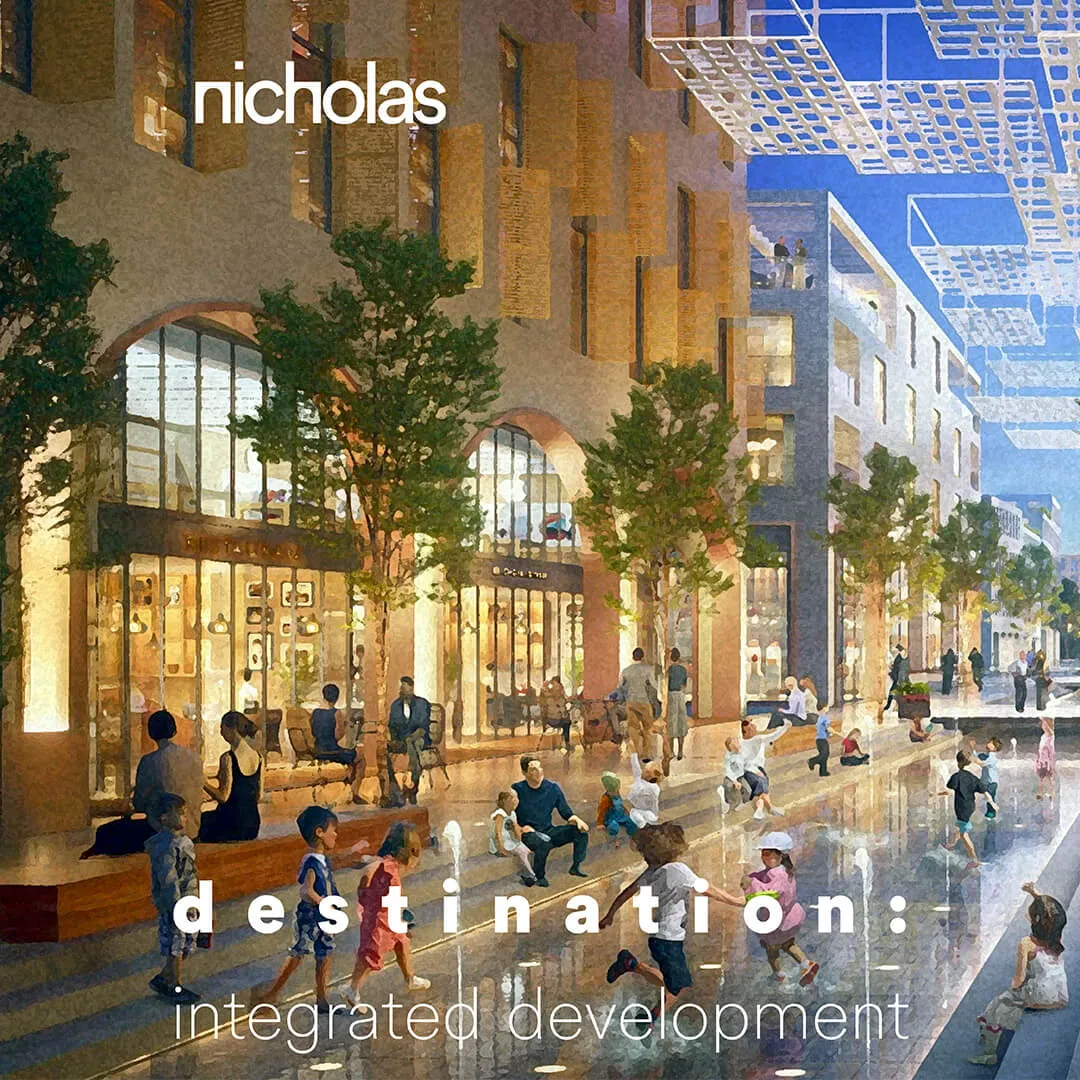
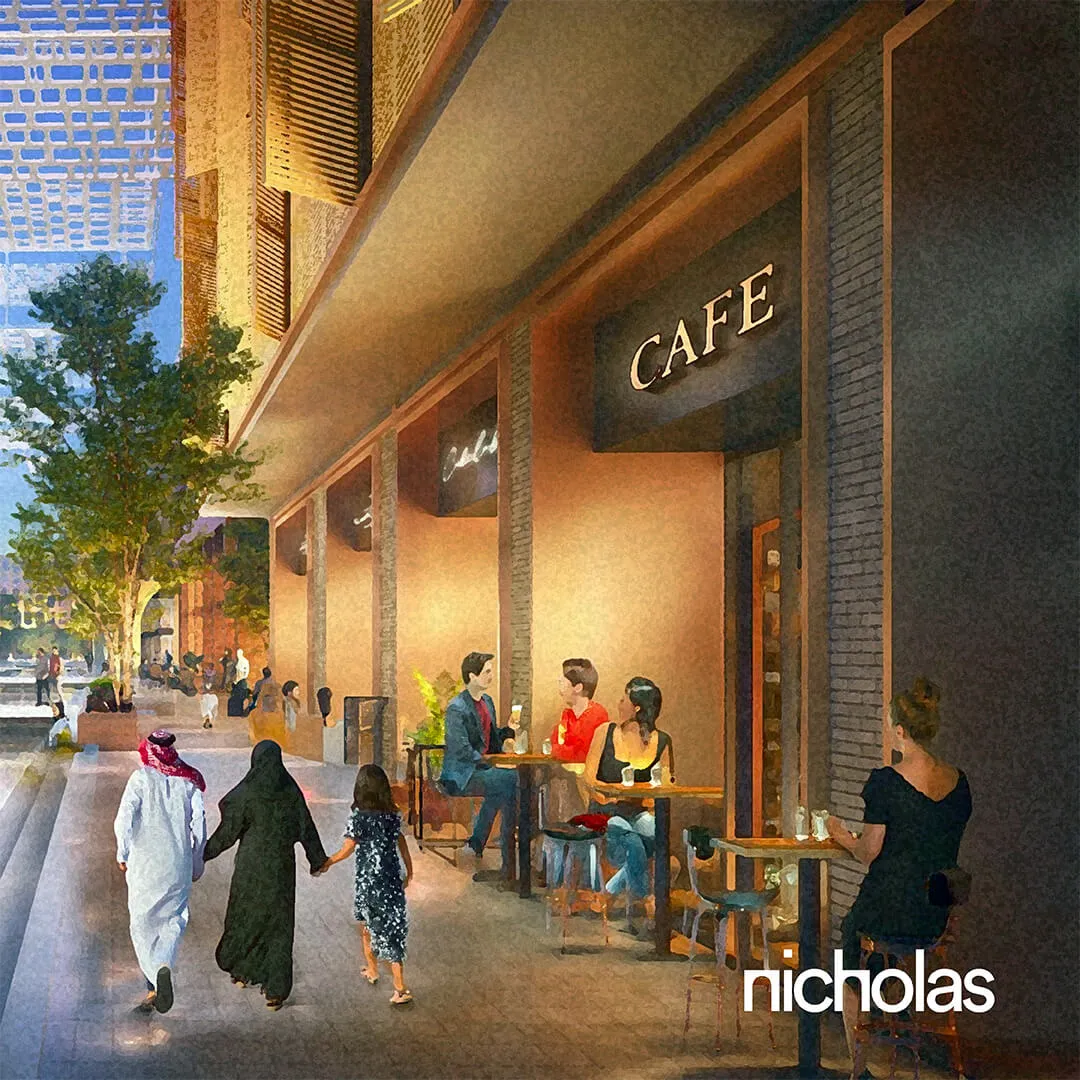
We skilfully interweave uses within our urban developments to create walkable and vibrant people-centred spaces.
Single-use precincts, such as “dormitory suburbs” are in use for only part of the day. Whereas integrated developments are active throughout the 24-hour cycle.
In integrated developments, density delivers connections. Spaces remain alive beyond working hours, sustaining social and economic life through the 24-hour cycle.
Keeping people on site for longer drives demand for goods and services and is good for business.
Each layer supports another: public transport reduces distance, mixed-use reduces waste, shared presence restores balance.
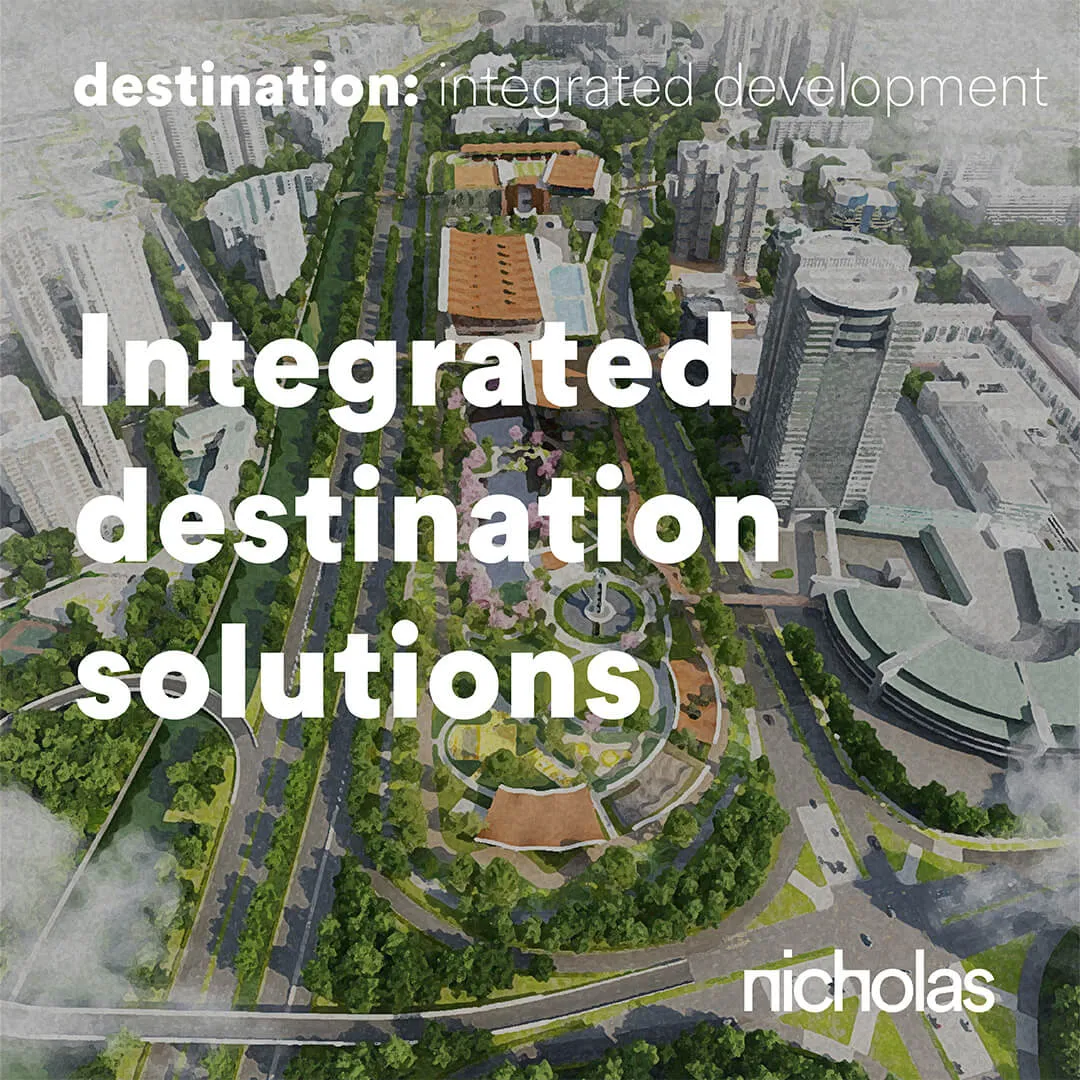
It also reduces car dependency. Medium- and high-density integrated development can be arranged around transit hubs and thus more easily serviced by public transport.
This is the power of regenerative design.